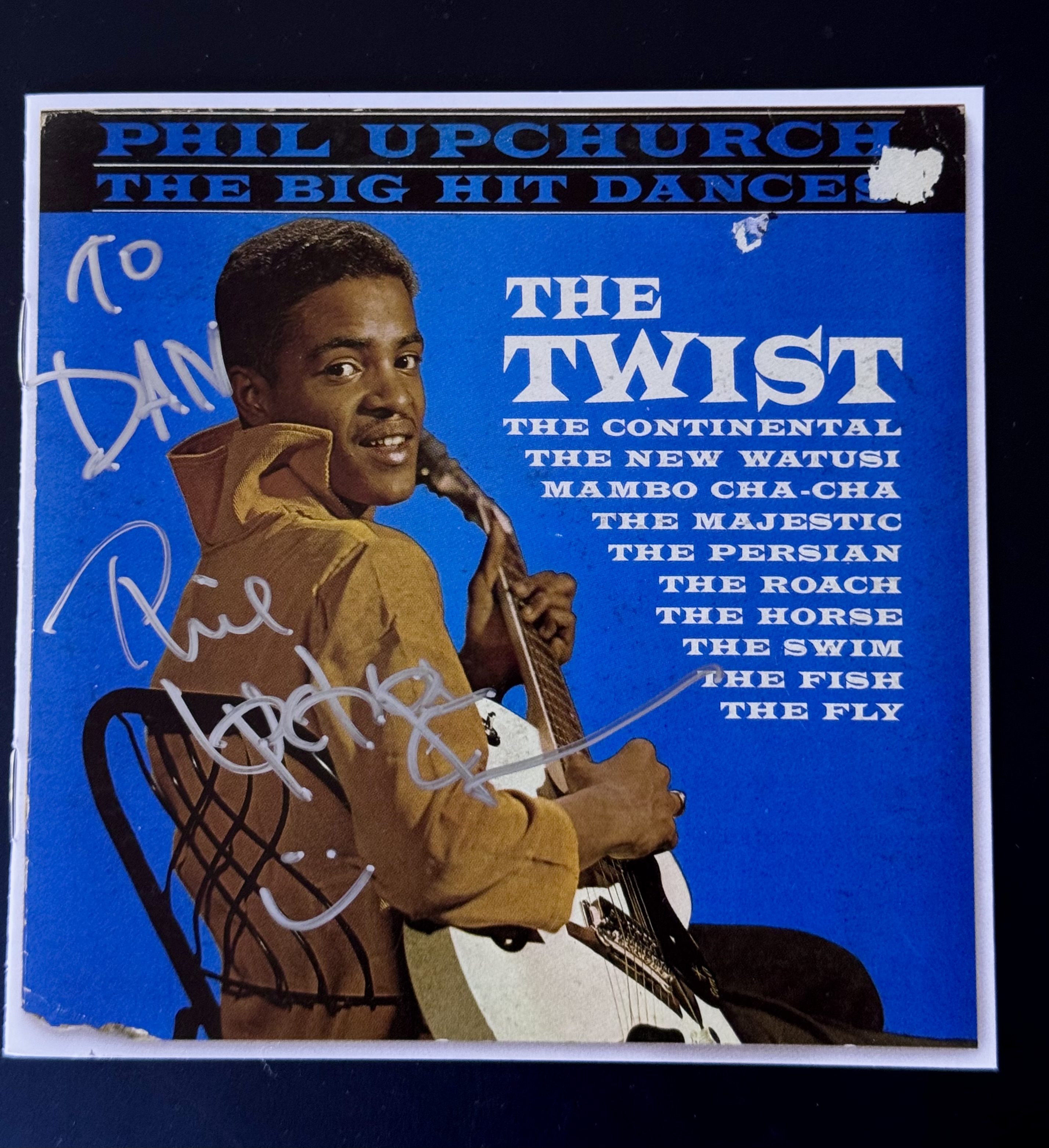
Phil Upchurch
1941 - 2025
Phil Upchurch: A Guitarist Who Rewrote the Rules
Phil Upchurch’s journey into music history began when he was still a teenager. He joined the powerhouse studio band at Chess Records in Chicago—home to some of the most influential blues, jazz, and soul artists of the era. The seasoned studio veterans immediately recognized something special in Phil. They took him under their wing, nurturing his raw talent while encouraging the unique tone and rhythmic sensibility that would soon become his signature. In turn, Phil enriched the Chess sound, adding textures and grooves that became essential ingredients in the recordings of the time.
As Phil’s reputation grew, so did the scope of his work. He went on to play on hundreds of recordings for some of music’s most iconic figures, including Quincy Jones, Donny Hathaway, and Curtis Mayfield. His own instrumental hit, “You Can’t Sit Down,” showcased his distinctive guitar voice and cemented his place as a major force in modern music. Beyond the studio, Phil brought innovation to the instruments themselves, helping to design a signature D’Angelico-style guitar that he proudly used in both live and recorded performances. His tone was unmistakable—warm, fluid, and emotionally articulate in ways that seemed to bypass the fretboard and go straight to the heart.
The breadth of Phil Upchurch’s discography is staggering. Among his most memorable tracks and contributions are: “You Can’t Sit Down” (1961), “The Hog,” “Cha Cha Cha Blues,” “The Swivel,” “Sonia,” “The Fly,” “Darkness, Darkness” (1972), Chaka Khan’s “I’m Every Woman” (1978), Curtis Mayfield’s and Donny Hathaway’s “This Christmas” and “The Ghetto,” George Benson’s “Breezin’,” Michael Jackson’s Off the Wall album, and Curtis Mayfield’s Superfly. His guitar presence can also be heard in notable sessions and performances with Quincy Jones, Grover Washington Jr., B.B. King, Ramsey Lewis, Howlin’ Wolf, Muddy Waters, Minnie Riperton, Whitney Houston, Natalie Cole, Aretha Franklin, and Julio Iglesias, just to name a few. Phil didn’t just accompany greatness—he elevated it.
Phil’s influence reached far beyond his recordings. He was a musician’s musician—an architect of rhythm, harmony, and soul whose fingerprints remain on a staggering number of classic songs. His innovative phrasing, stylistic versatility, and fearless creativity inspired generations of guitarists who admired not just what he played, but how he played it. He was the kind of artist whose presence could change the direction of a session and whose tone could be recognized in a single measure. His legacy doesn’t end with the notes he recorded—it continues in every player who studies his licks, copies his voicings, or learns that groove can be both understated and transcendent.
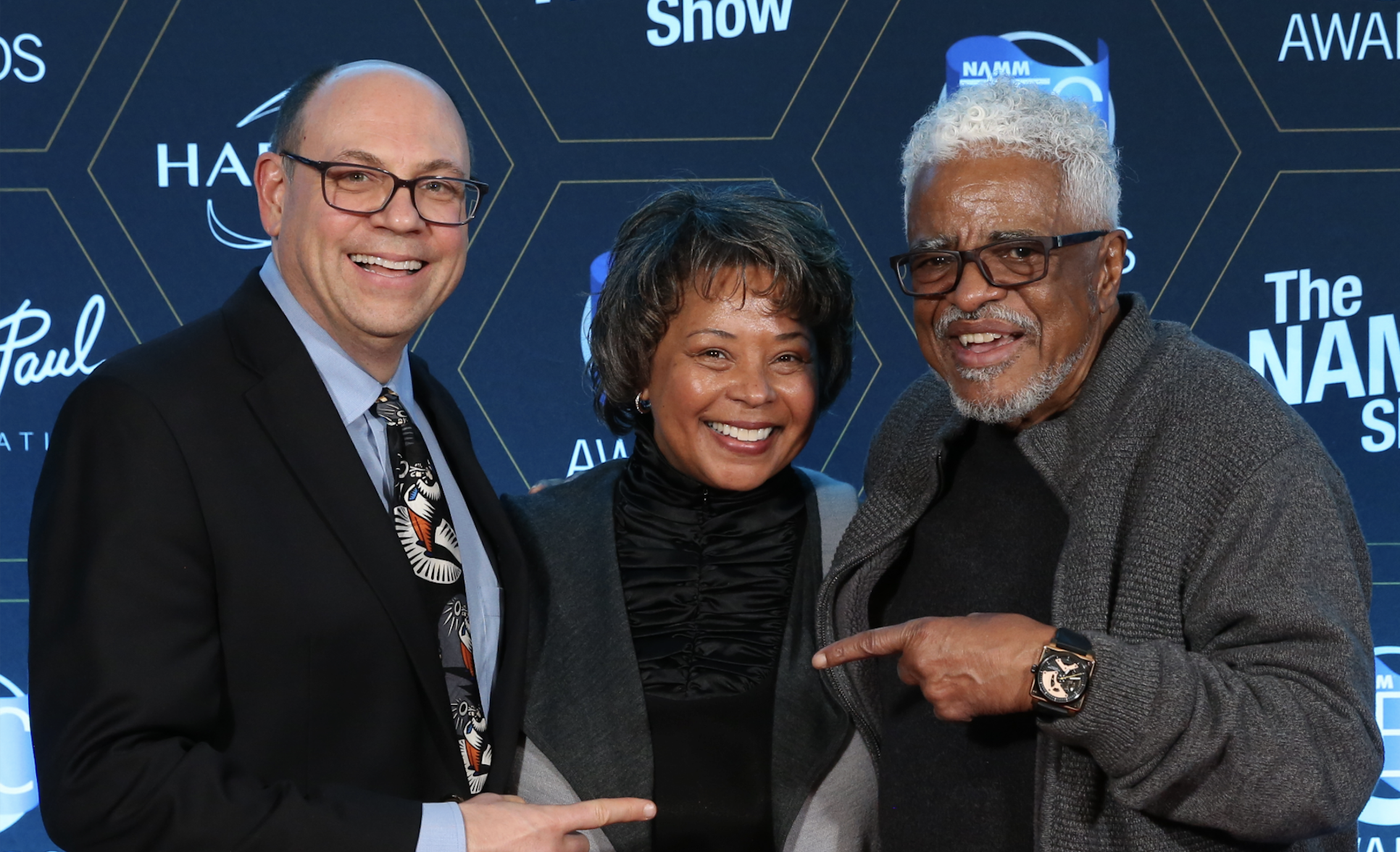
On February 28, 2015, Phil was interviewed for the NAMM Oral History program. Click here to watch a highlight from that interview. It was so meaningful when I got to introduce him to my wife at the TEC Awards. It was my wife Suzanne who took this photograph on the day I met Phil’s loving wife Sonya in 2019.
The term Guitar Hero is so appropriate when thinking of Phil, with an emphasis on the last word.
Rest In Power my friend.
Dan Del Fiorentino
NAMM Music Historian