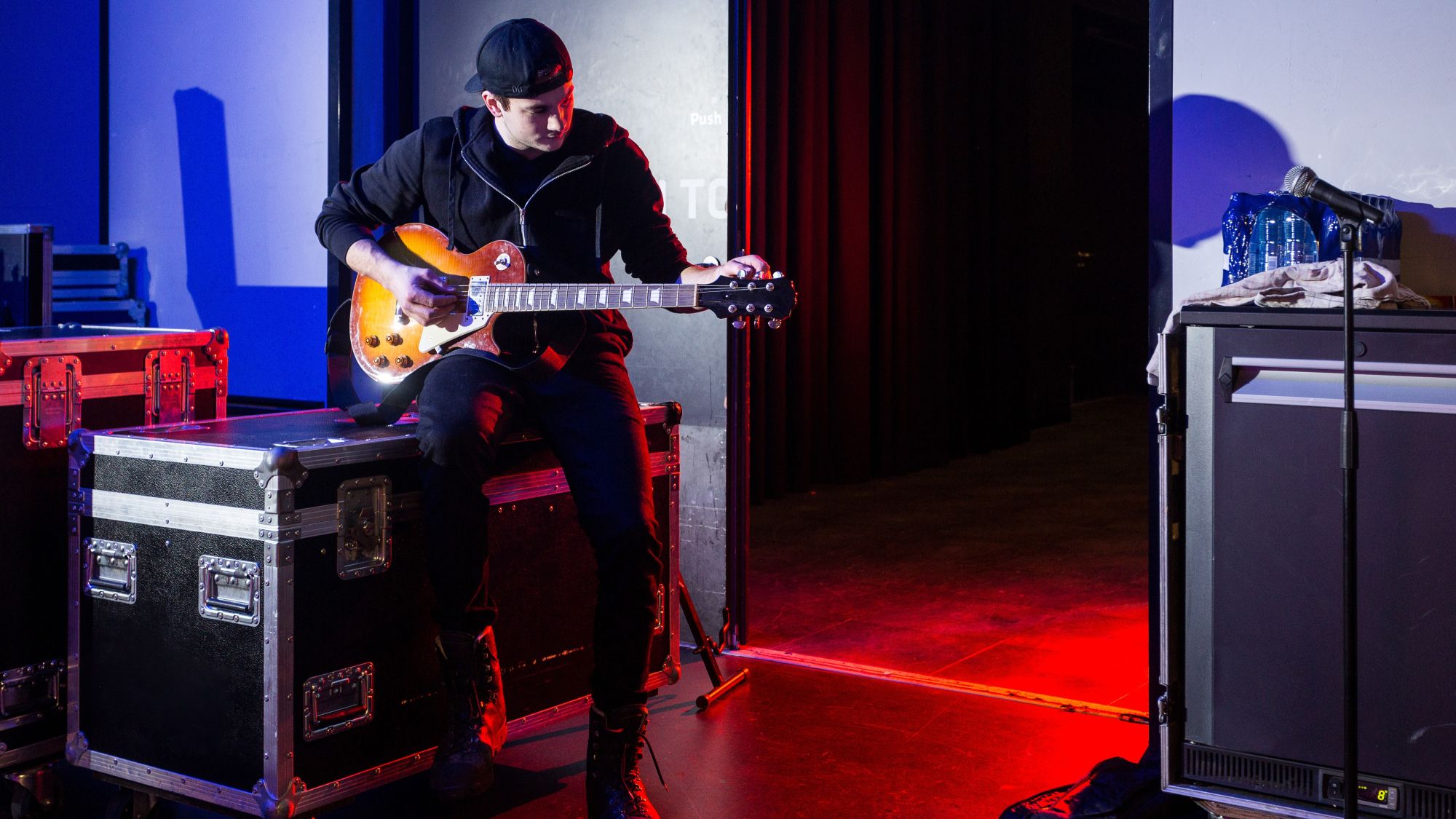
Music Industry Careers: Music Equipment Rental and Production Jobs
When a professional recording session begins or a tour rolls into a venue, there’s an expectation that the right gear and equipment is already there, in working order, and set up exactly the way the artist, producer or production team needs it. That kind of reliability doesn’t happen by accident. It comes from a specialized corner of the music industry where instruments, audio, logistics and client service come together. Also referred to as backline rental, music equipment rental and production jobs handle the storage, maintenance, transport, setup and operation of professional live event and recording equipment, especially items that are complex or difficult to move. This includes pianos, percussion, keyboard rigs and staging support for concerts, tours, studios and live events.
If you’re a student or young professional looking for opportunities in the music industry, this field offers a practical entry point into music and live event production. Many start through entry-level technical, warehouse or event-support roles and build skills through on-the-job experience. Over time, those roles can lead to deeper technical specialization in areas such as audio, lighting, RF (wireless) coordination, audiovisual systems design or production engineering. Others grow into leadership positions in logistics, operations, tour support or production management.
While all businesses are unique, the list below provides basic details about some of the careers at a professional backline rental or production service company.
Rental Coordinator
Responsibilities: Books inventory, confirms specs, dispatches deliveries and pickups, tracks availability and coordinates last-minute requests.
Key Skills: Strong organizational ability, scheduling and logistics coordination, familiarity with musical instruments and production equipment, customer service communication, attention to detail and the ability to manage multiple priorities under tight timelines.
*Average Annual Salary Range: $41,000–$59,000+
Equipment Technician
Responsibilities: Inspects, repairs and maintains musical instruments and production equipment, making sure everything is performance ready.
Key Skills: Technical proficiency in instrument repair and electronics, working knowledge of backline gear (drums, amps, keyboards), diagnostic and troubleshooting ability, attention to quality control, and the ability to work independently.
*Average Annual Salary Range: $38,000–$55,000+
Warehouse Manager
Responsibilities: Oversees inventory, manages prep and return of gear, coordinates warehouse staff, and manages the efficient flow and preparation of equipment between jobs.
Key Skills: Inventory management systems, leadership and team coordination, logistics planning, problem-solving and working knowledge of production equipment.
*Average Annual Salary Range: $55,000–$75,000
Systems Engineer
Responsibilities: Designs and configures complex systems like P.A. deployments, networked audio and lighting rigs.
Key Skills: Advanced system design, acoustics, audio networking, signal flow expertise and the ability to troubleshoot complex technical environments.
*Average Annual Salary Range: $70,000–$110,000+
Inventory & Asset Manager
Responsibilities: Tracks high-value equipment across multiple jobs, monitors usage, manages lifecycle and depreciation across departments.
Key Skills: Asset tracking systems, data analysis, attention to detail, process management and understanding of equipment valuation and lifecycle.
*Average Annual Salary Range: $55,000–$75,000
Production Manager
Responsibilities: Oversees the technical execution of events or tours, coordinating teams across audio, lighting, staging and backline. Responsible for timelines, budgets and overall production quality.
Key Skills: Project management, leadership, budgeting, communication and deep understanding of live production workflows.
*Average Annual Salary Range: $65,000–$95,000+
Production Sales Specialist
Responsibilities: Works with clients to design complete production solutions, often bundling audio, lighting, staging and backline into comprehensive packages.
Key Skills: Consultative sales, technical fluency, relationship building and the ability to translate creative needs into practical solutions.
*Average Annual Salary Range: $60,000–$90,000+, often includes commission
RF (Wireless) Technician
Responsibilities: Manages wireless systems including microphones and in-ear monitors, ensuring frequency coordination in complex environments.
Key Skills: RF spectrum knowledge, troubleshooting, technical precision and familiarity with wireless systems.
*Average Annual Salary Range: $60,000–$95,000
Video/LED Wall Technician
Responsibilities: Installs and operates video systems, projection and LED walls for live and hybrid events.
Key Skills: Video signal flow, media servers, troubleshooting and system integration.
*Average Annual Salary Range: $50,000–$80,000+
Show Control/Automation Technician
Responsibilities: Programs and operates systems that synchronize lighting, audio, video and motion elements during live productions.
Key Skills Required: Automation software, timing systems, programming logic and system integration knowledge.
*Average Annual Salary Range: $65,000–$100,000+
Virtual/Hybrid Event Technician
Responsibilities: Supports livestreaming, remote production, and hybrid event environments, bridging in-person and digital events.
Key Skills Required: Streaming platforms, networking, video switching and digital production workflows.
*Average Annual Salary Range: $50,000–$85,000+
How to Get Started in Music Equipment Rental Careers
Careers in music equipment rental and production jobs are built on hands-on experience. Many professionals enter the field without a four-year degree, developing their skills through real-world work, mentorship and technical curiosity.
Start by looking for entry-level opportunities, such as stagehand, warehouse assistant or backline support. These roles provide exposure to equipment, workflows and the pace of live production. As in any job, reliability and a strong work ethic are often the fastest ways to earn more responsibility.
Build your technical foundation by learning how instruments and equipment function. Focus on practical knowledge like signal flow, basic audio systems, instrument setup and safe handling techniques. Community colleges, trade programs and short-term certifications in audio, lighting or electronics can accelerate this process.
Find local opportunities. Production companies, backline rental providers, houses of worship, schools and small venues often need part-time or freelance support. Each job builds experience and expands your network.
Develop relationships. This industry runs on trust and reputation. Show up prepared, communicate clearly, and follow through. Many long-term opportunities come through referrals and repeat work.
Be open to irregular schedules. Evenings, weekends and long days are common, especially early in your career. Flexibility is part of the pathway to advancement.
Over time, you can specialize in areas like audio engineering, lighting, RF coordination, systems engineering or production management. With experience, these roles may offer increased responsibility, higher pay and opportunities to work on larger productions and tours.
Want to Explore More Careers in the Music Industry?
If you enjoyed reading about music equipment rental and production jobs, check out the rest of our Music Industry Careers series on Playback Blog:
- Music Industry Careers: Jobs in Pro Audio
- Music Industry Careers: Jobs in the Live Music Events Industry
- Music Industry Careers: Jobs in Music Retail Stores
- Music Industry Careers: Jobs in Music Products Manufacturing
Data Sources: Payscale, Glassdoor Shure RF coordination resources, and the U.S. Bureau of Labor Statistics
*Average annual salary range estimates are based on 2024–2026 aggregated data. Salaries vary by market demand, location, touring requirements and level of specialization.
About the Author
Eric Ebel is senior program manager at NAMM in the Member Services Department. He manages programs, including Consider a Career in Music, music educator and student professional development programming at the international NAMM Show. He joined NAMM in 1997 and has held various roles, including show manager and senior trade show sales associate. With over 40 years in the music industry, Ebel has been a U.S. Marine Corps musician, product specialist, touring musician and faculty member at Musician’s Institute. He also performs regularly in Southern California.